As ADAPT Community Network celebrates 80 years of advocacy and innovation, we reflect on the people, stories, and achievements that have shaped our organization and the communities we serve.
The Founding Years (1940s-1950s)
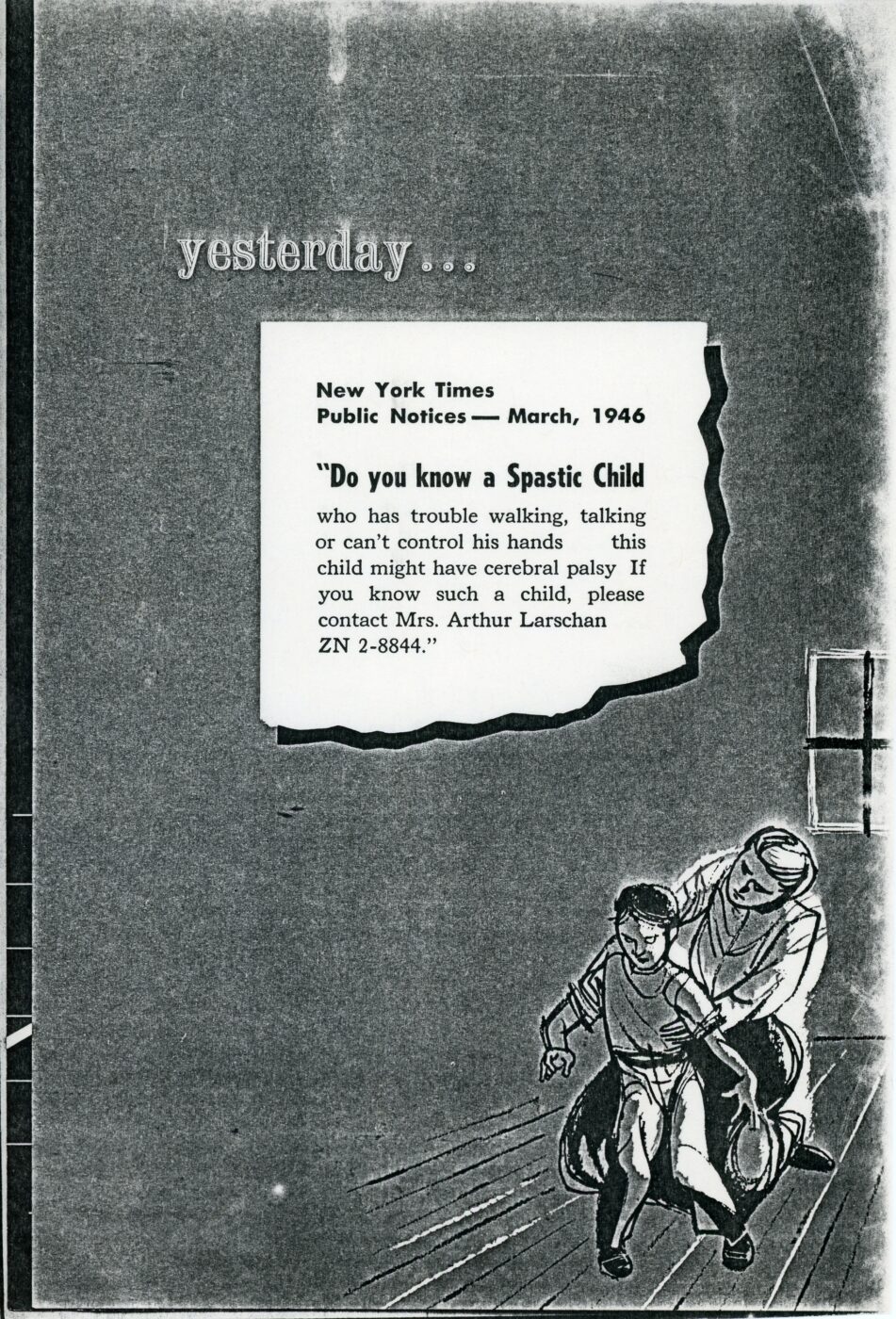
In 1946 , parents of children with cerebral palsy turned their attention to the absence of community-based services for those with disabilities in New York City. As a result, those families came together to seek information, resources, and societal acceptance for their children.
The story began with a newspaper advertisement in The New York Times calling for parents of children with cerebral palsy to unite. At a time when so little was known, these families began advocating on behalf of their children and drawing attention to the serious lack of services available to them in the city.
Arthur and Esther Larschan, Ethel and Jack Hausman, Isabelle and Leonard Goldenson, Nina and Martin Eaton, and Irving Sloan were among the driving forces who established The Cerebral Palsy Society of New York on September 13, 1946.
Soon after, the combined efforts of these founding leaders grew into a broad mobilization supported by volunteers from businesses, entertainment, labor, and women’s organizations. In 1950, the organization participated in the first nationwide fundraising effort for cerebral palsy, raising more than $1 million.
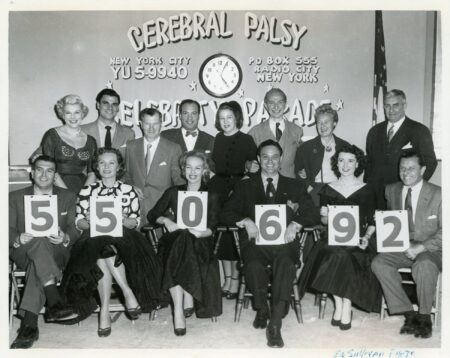
In December of 1951, the organization hosted its first telethon, a 15-hour benefit broadcast dedicated to raising awareness and support for New Yorkers with cerebral palsy.
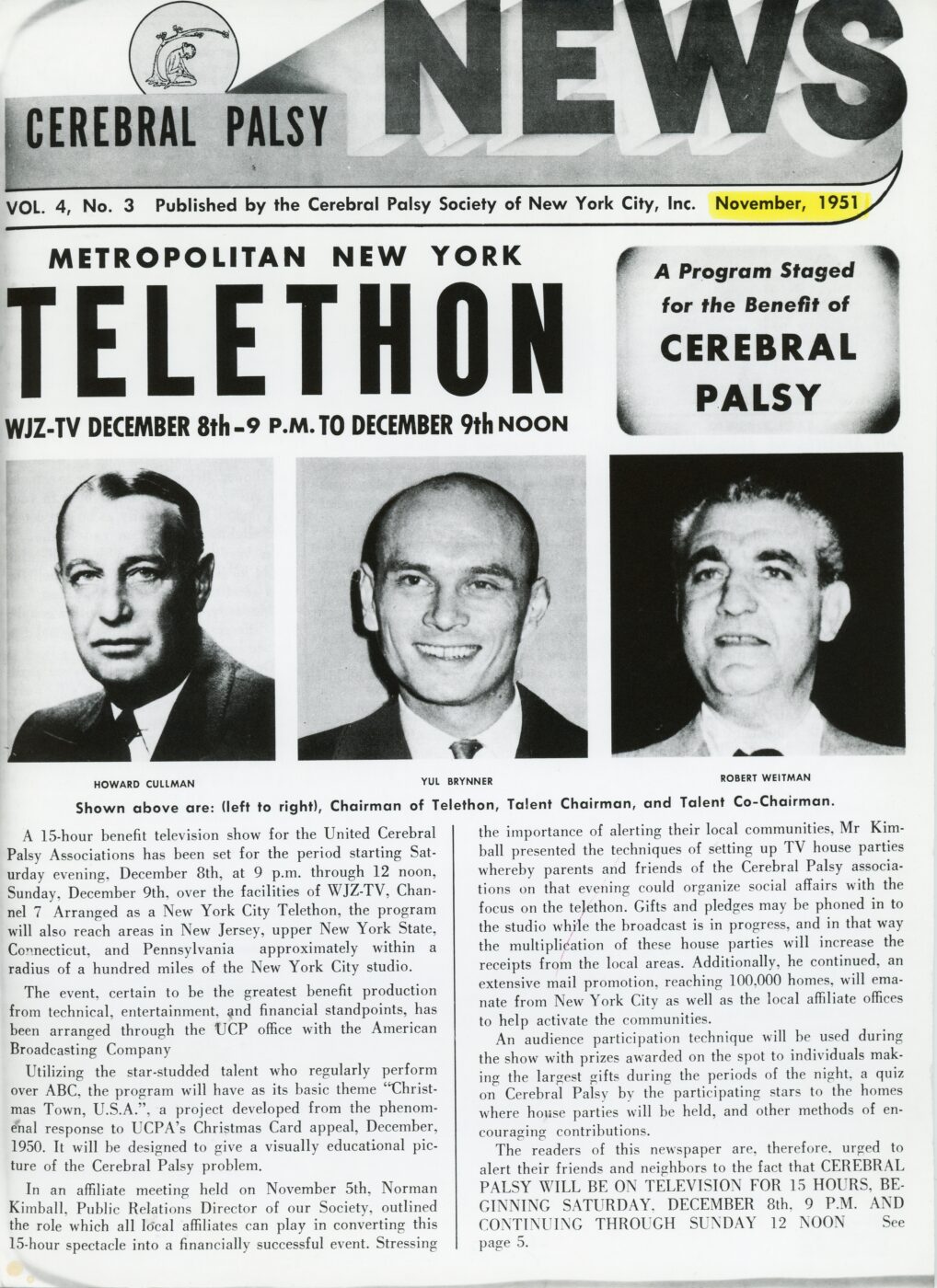
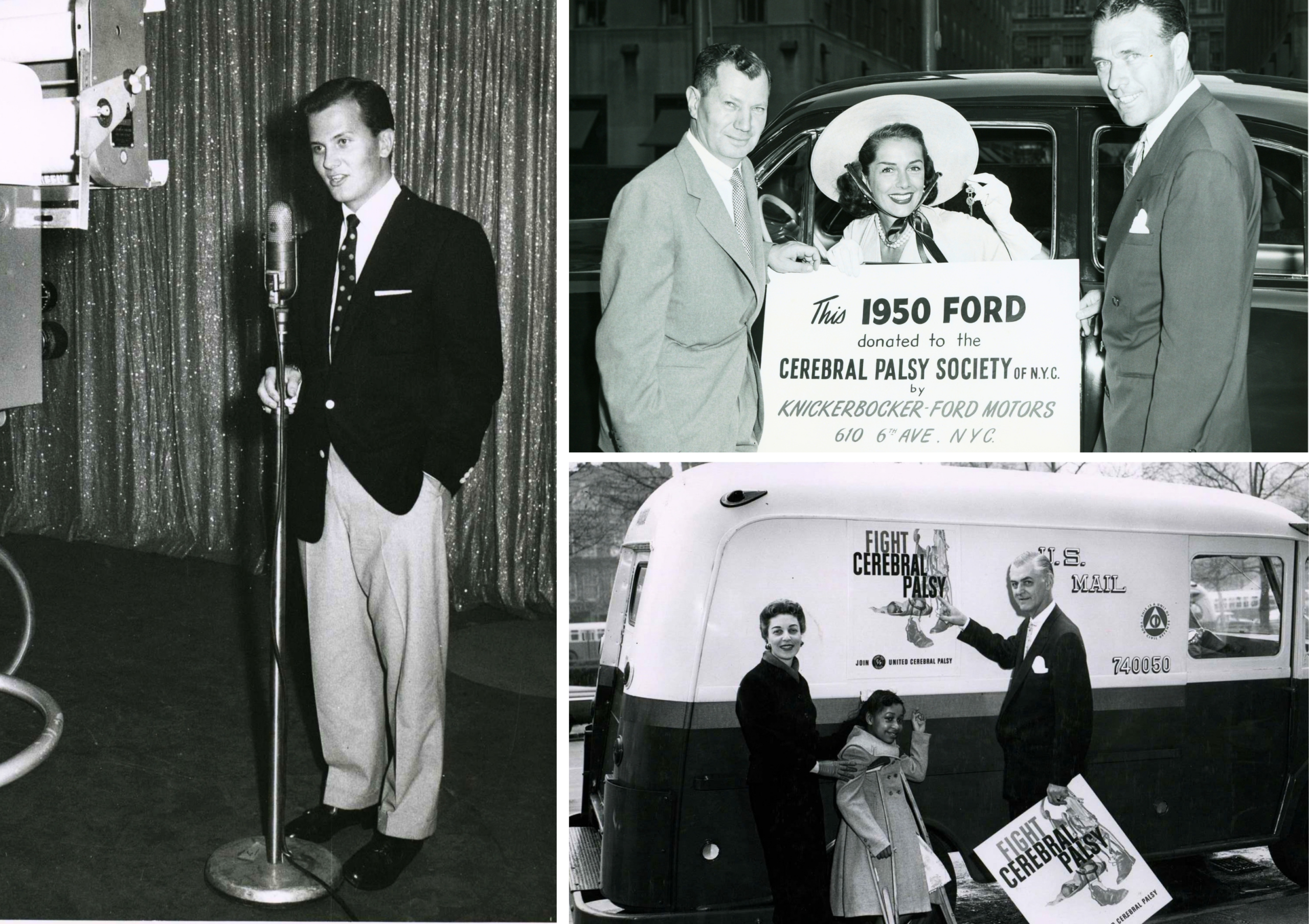
Television was still a new medium in 1951 which meant that a 15-hour live broadcast was unusual enough that it represented a very different way of fundraising from the traditional campaigns. By bringing the cause directly into viewers’ homes, they introduced a new way for the public to learn about cerebral palsy and support individuals and families in the community. The telethon raised more than $275,000 in pledges.
Fundraising and public awareness efforts continued to grow, including the annual “Citizens Parade” of door-to-door solicitations. As awareness and support increased, so did the organization’s services, which eventually included rehabilitation, recreation, camps, vocational programs, home education, dental clinics, counseling, and transportation.
In 1952, the Cerebral Palsy Society of New York changed its name to United Cerebral Palsy of New York City (UCP), which it would be known as for the next 65 years.
Expanding Services (1960s)
Initially, the organization provided grants to hospitals, clinics, and other nonprofit agencies to help establish programs for individuals with cerebral palsy and related disabilities. But by the 1960s, UCP began shifting its focus toward direct services and began to develop its own programs and facilities.
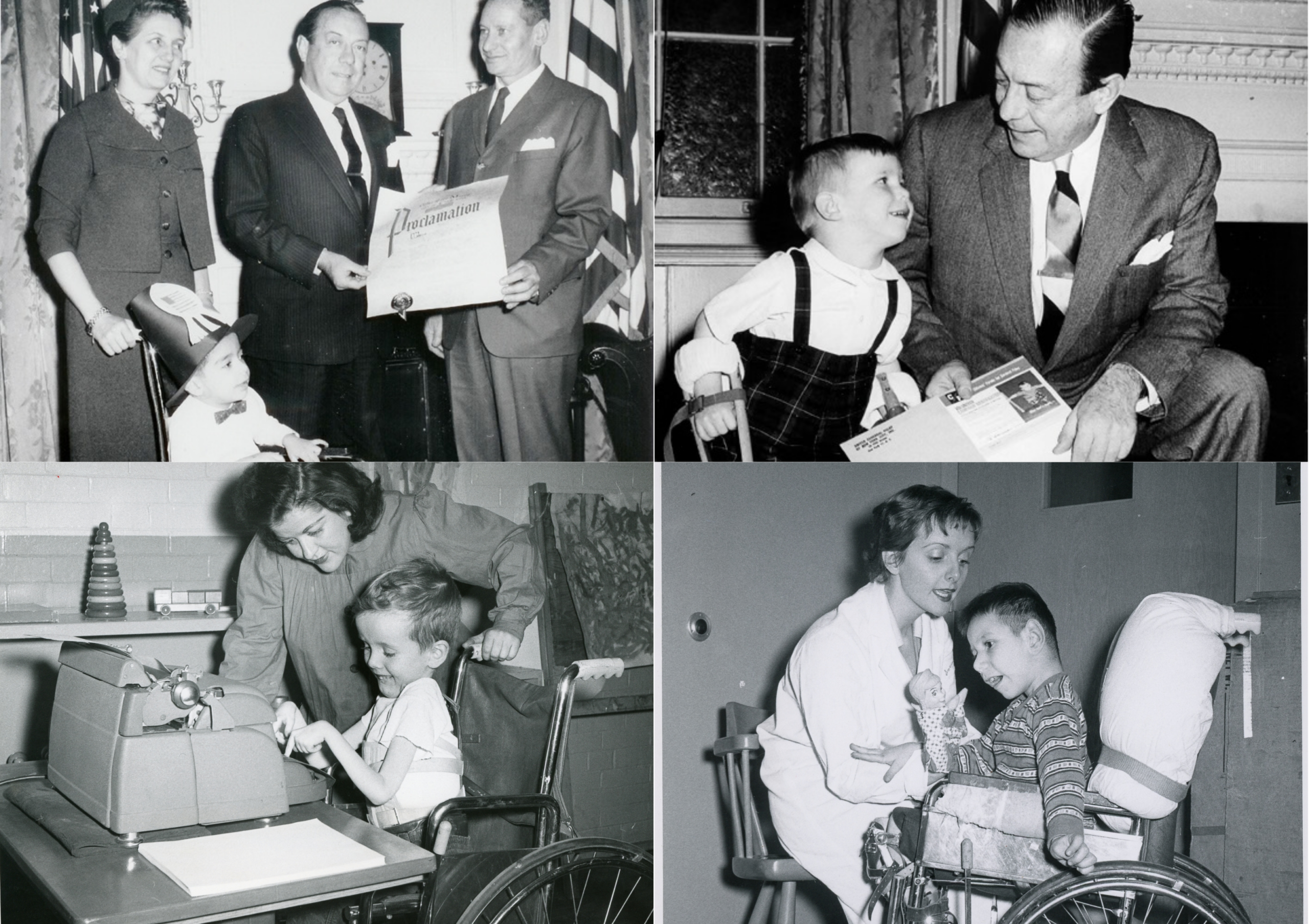
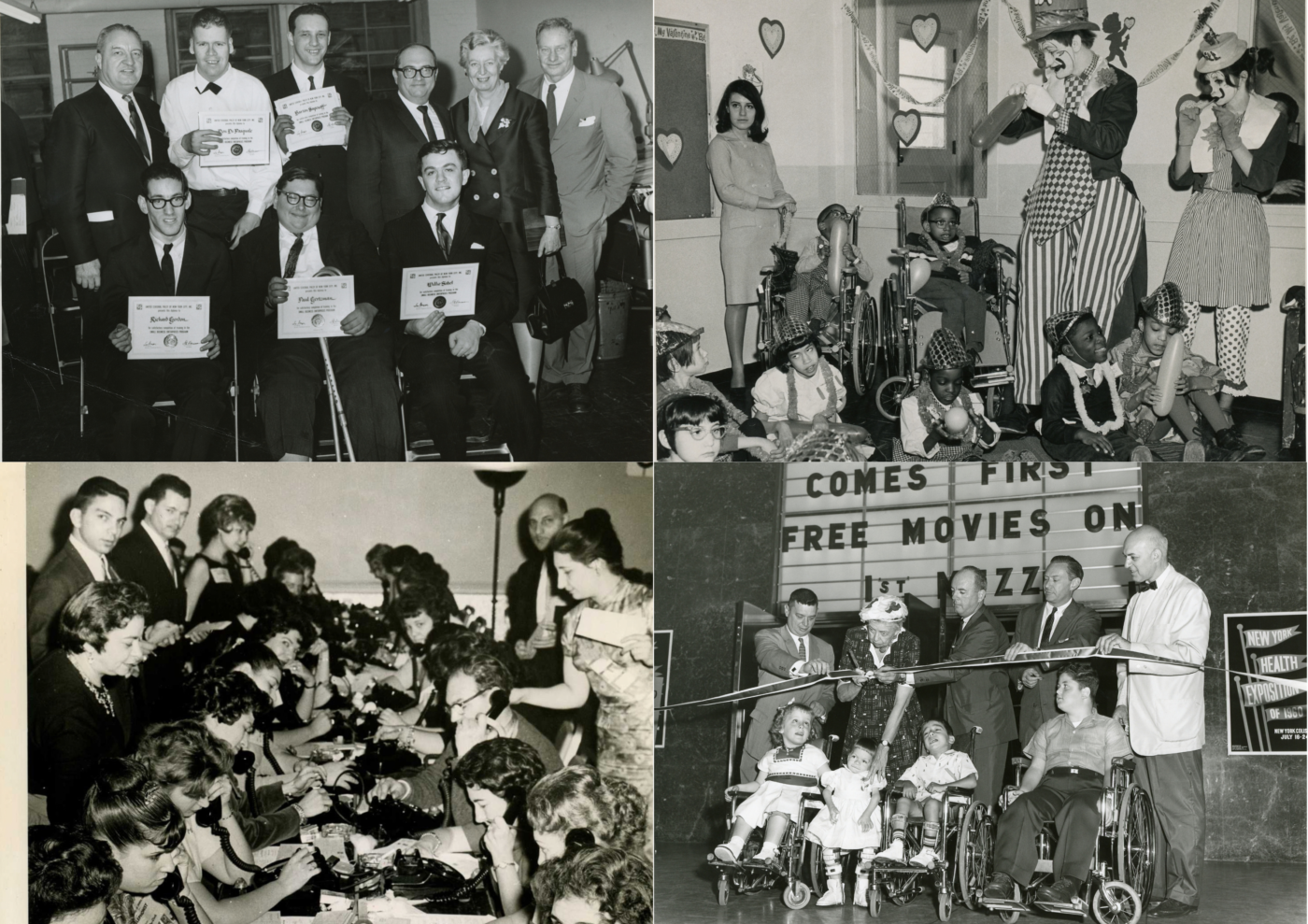
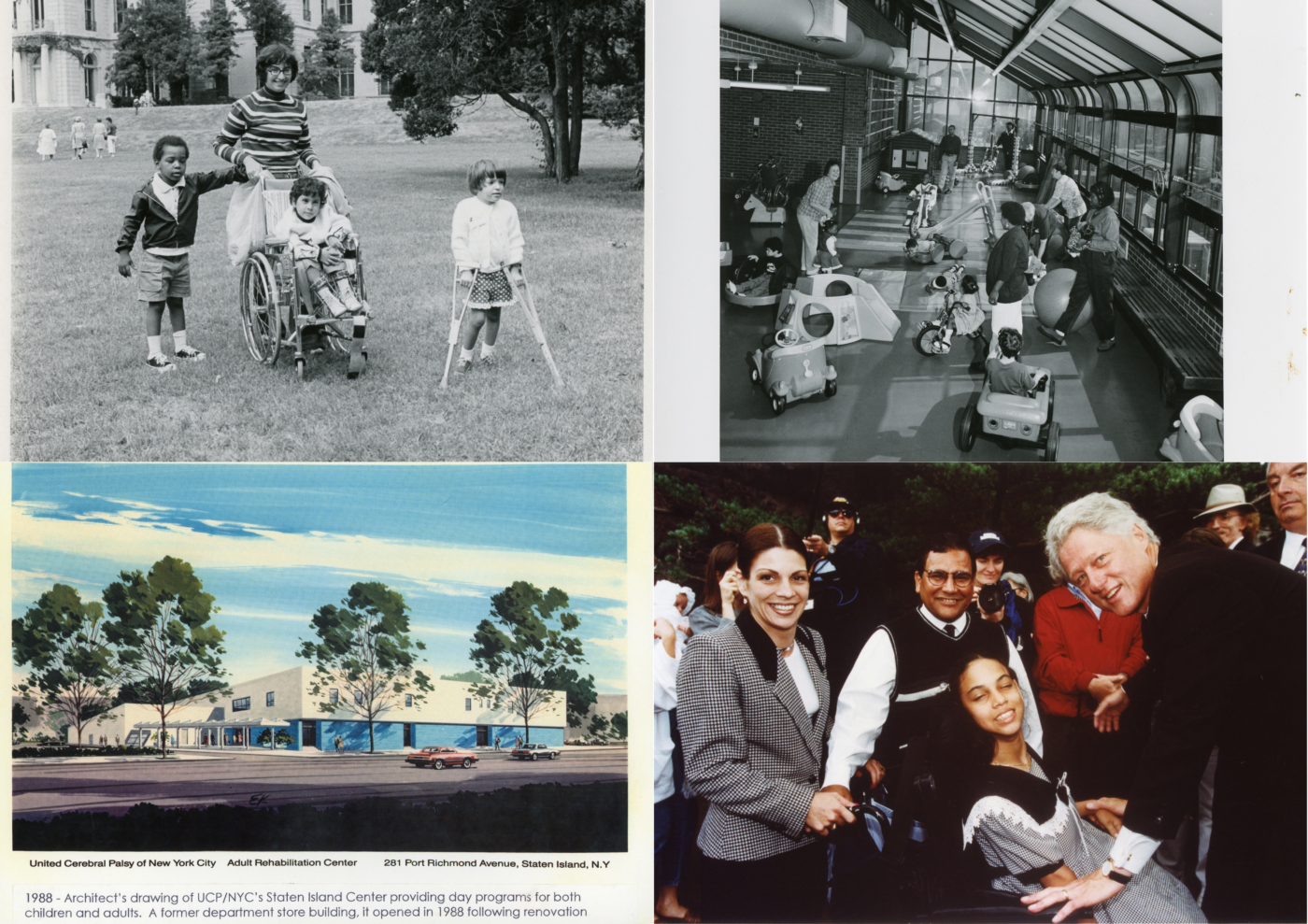
With the support of government funding, UPC obtained a building in Manhattan and established facilities there as well as in the Bronx and Staten Island. The organization opened workshops, training centers, and early childhood education programs, expanding access and services across New York City.
Advancing Community Inclusion (1970s)
The 1970s brought a breakthrough in rights for people with disabilities. In 1972, journalist Geraldo Rivera’s exposé of Willowbrook State School brought national attention to the neglect and abuse happening at the facility. It helped spark legal action and strengthen efforts to advance the rights and protections of people with disabilities.
During this time, UCP played a critical role in the civil rights case that followed and in the transition of individuals from institutions into community-based settings. Expanded government funding led to the creation of residential and day services. UCP responded by opening six residential facilities, two adult day treatment programs, and community-based service centers in Manhattan and Brooklyn.
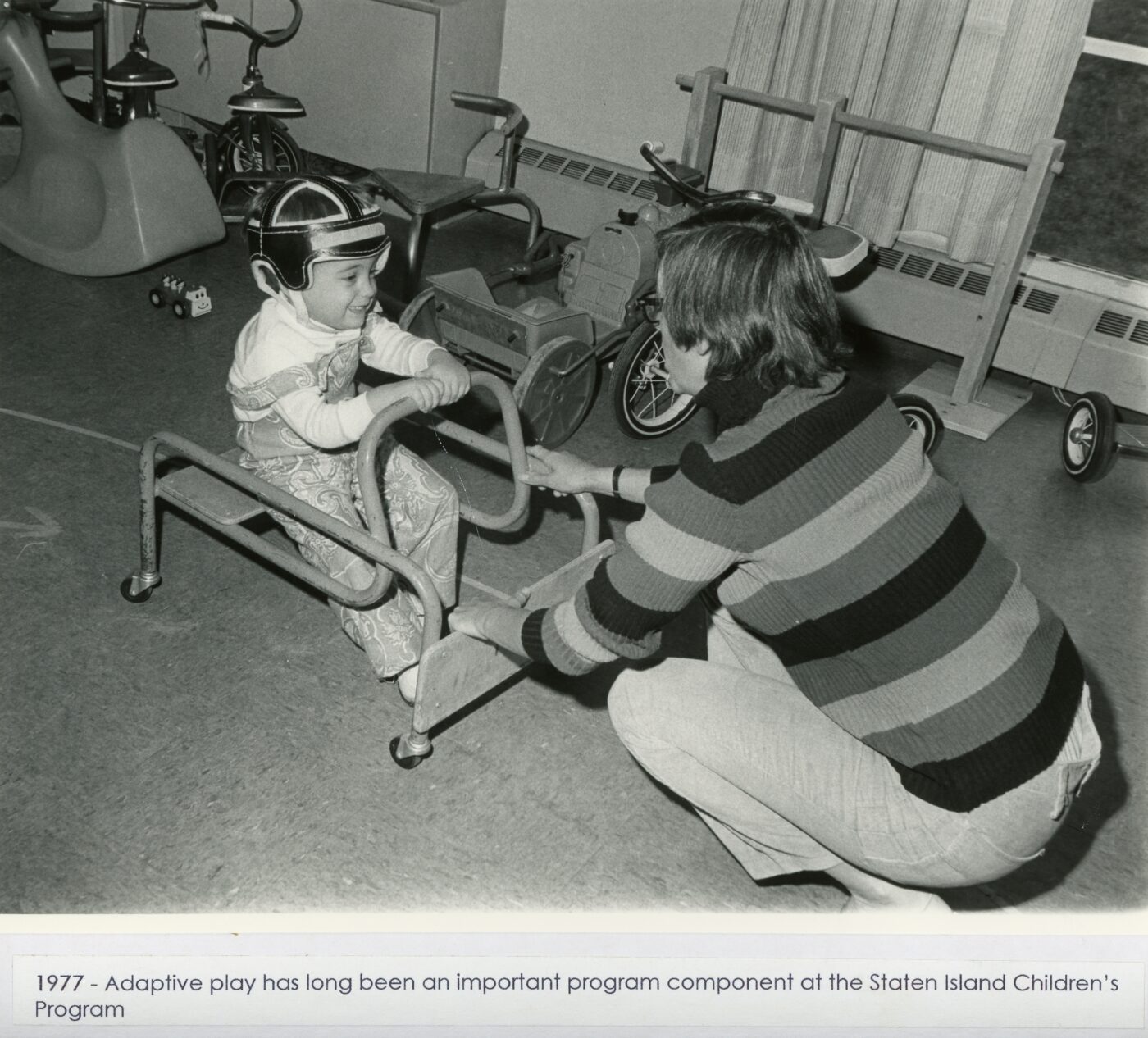
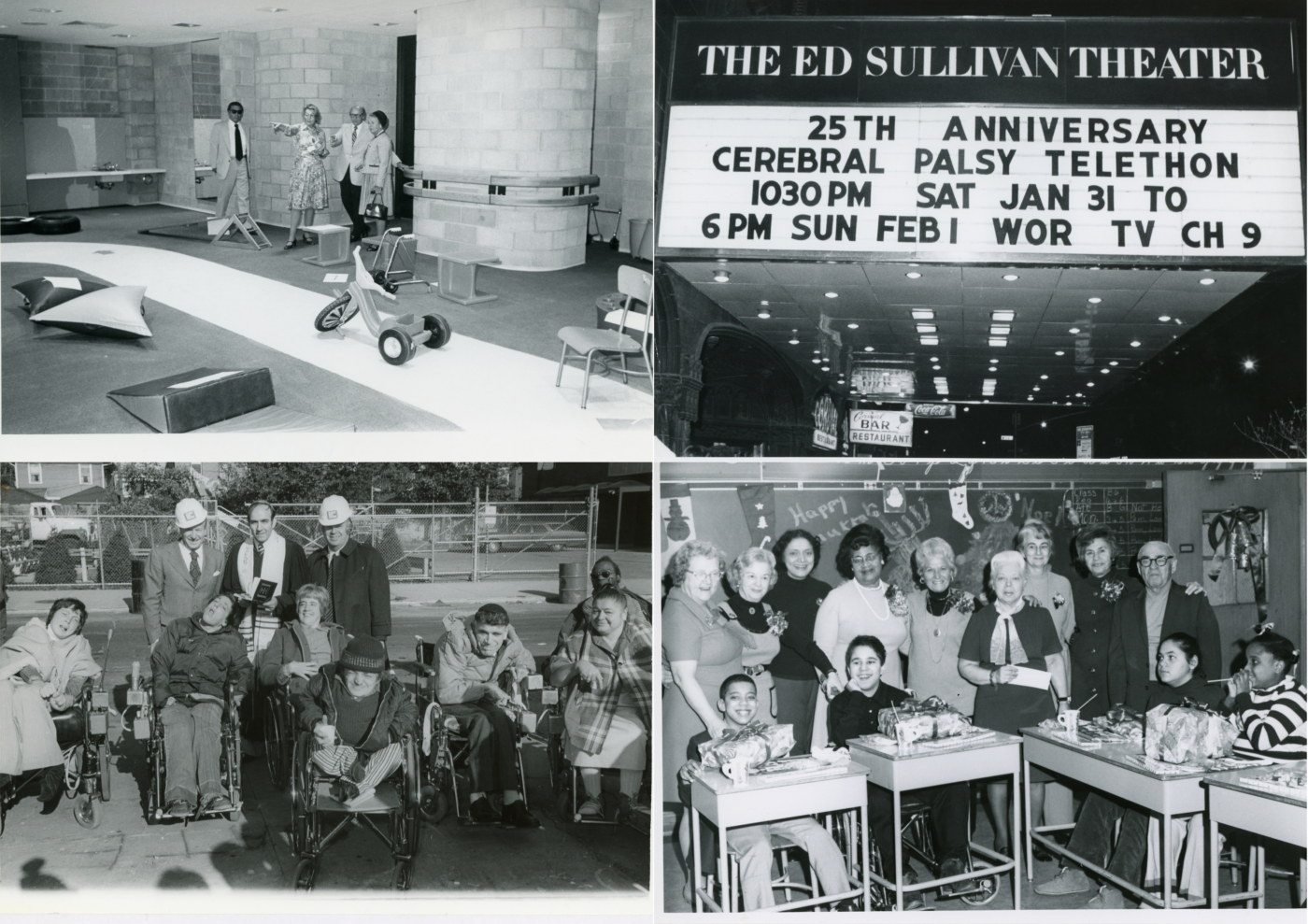
In 1975, UCP also helped advocate for mandates requiring the Board of Education to make public schools more accessible, contributing to expanded educational opportunities and special education services.
Advocacy and Innovation (1980s – 1990)
The 1990s marked another important period of progress. The signing of the Americans with Disabilities Act established new and important protections for people with disabilities and marked a significant moment in the movement for accessibility and equality.
During this era, UCP continued expanding its residential, day, and early childhood programs while responding to the changing needs of the people and families it served. The organization moved in new directions by opening an Office of Consumer Advocacy and Family Support Services and developed programs such as overnight respite, services coordination, family reimbursement, housing, and accessibility assistance.
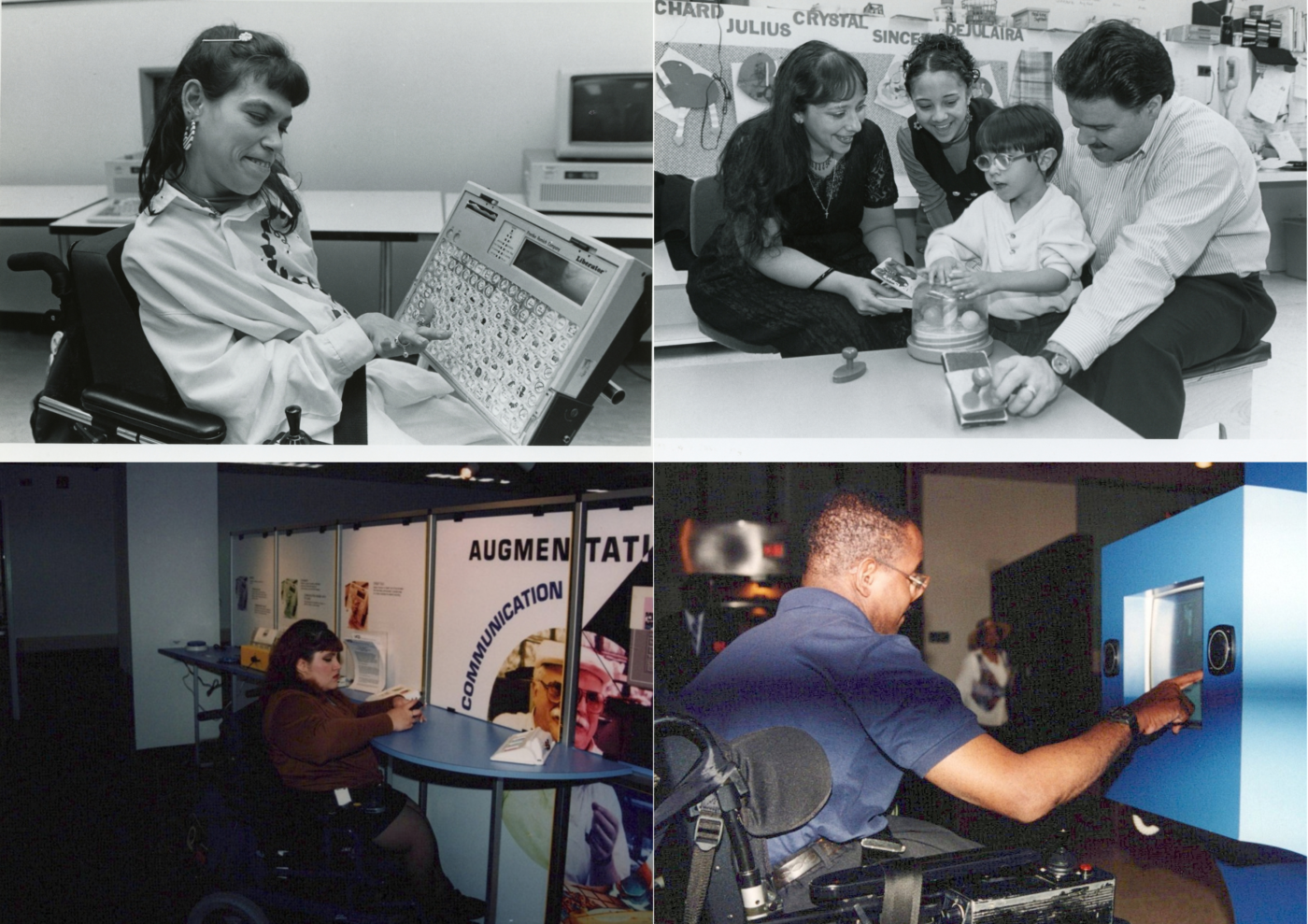
Technology also opened new possibilities for greater independence and inclusion. Through a New York State regional TRAID grant, UCP established TechWorks centers in Brooklyn and Manhattan, providing children and adults with disabilities across New York City with information, products, and resources related to assistive technology.
Entering a New Millennium (2000’s)
Entering the new century, UCP continued expanding its programs in response to growing community needs. Initiatives such as Doorways to Independence helped modify homes so people with disabilities and older adults could remain in their communities and with their families rather than require nursing home care.
The Samuel Hausman Activities, Resources, & Education Center (SHARE) also provided families with information, adaptive play opportunities, technology, and communications services designed to support greater independence and self-sufficiency.

Becoming ADAPT
As the organization continued to evolve, so did the needs and expectations of the people and families it served. In 2016, the organization took a fresh look at its work and role within the broader community. To better reflect the people it served and the breadth of its mission, United Cerebral Palsy of New York City rebranded to ADAPT Community Network on March 9, 2017. The new name marked an important chapter in the organization’s history.
Looking Ahead
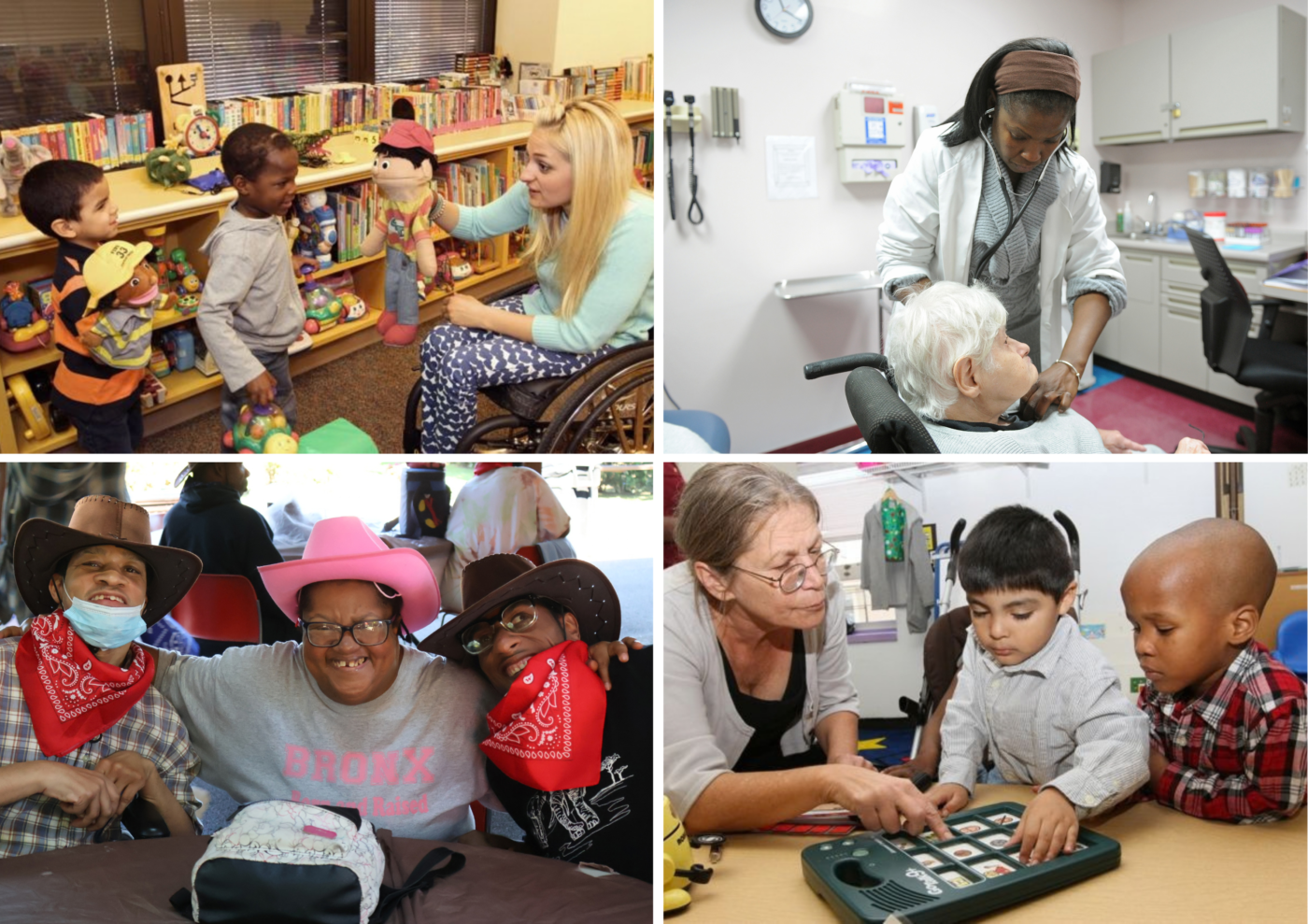
Eighty years later, the spirit that brought New York City families together in 1946 continues to shape ADAPT Community Network. Today, our programs and services support over 25,000 children, adults, and their families, and include Pre-k and school age programs, health clinics, job placement programs, residential housing, day programs, and more.
As we celebrate this milestone, we honor the parents, advocates, staff members, supporters, and people with disabilities whose determination and vision have shaped ADAPT’s history. Their work has helped create new opportunities, expand access to programs, and build a more inclusive community.
We are incredibly proud of our 80-year history of advocacy, innovation, and service, and look forward to the future stories of ADAPT Community Network.